
Is Radon Dangerous?

Is Radon Dangerous?

Radon is a dangerous radioactive element that is the leading cause of lung cancer in non-smokers.

The EPA and the Surgeon General’s office estimate radon is responsible for more than 21,000 lung cancer deaths each year in the US.

Radon is a dangerous radioactive element that exists in nearly every building. Many buildings have unsafe levels. Every home and business should be tested for radon.

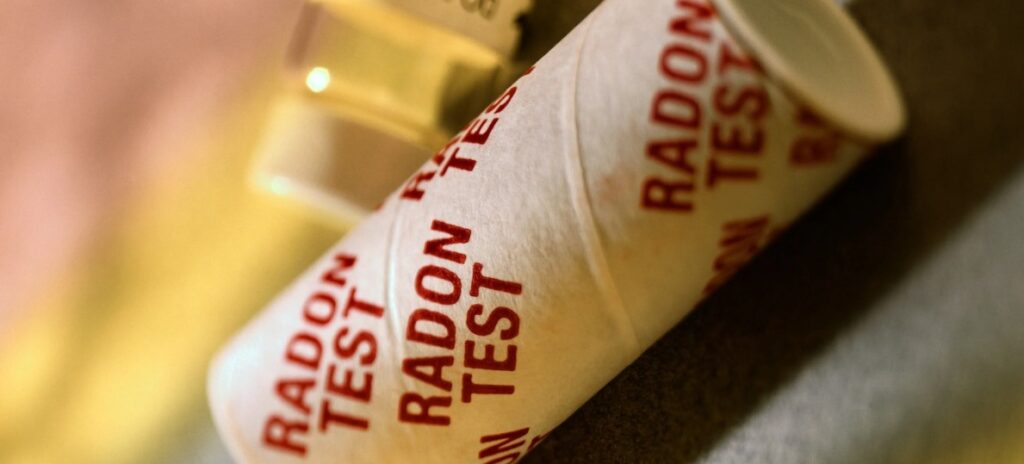
Radon test kits are relatively inexpensive and can be performed by almost anybody, including homeowners themselves.

Mold Spotters does not currently perform radon testing services.

Test kits are available at home improvement stores, Amazon and other retailers. The American Lung Association also offers very reasonably priced test kits. Some municipalities and government agencies even offer free test kits.

Radon is a radioactive gas that is mostly generated in the ground from rocks and soil. Radon can enter homes and businesses several different ways and can be most prominent in basements and lower-level areas.

Radon in water is also dangerous. It can be carried and distributed through ground water. Ingesting water with high amounts of radon can lead to stomach cancer. Radon can be released from water into the air by showering or simply running water through faucets. Homes and businesses with wells should have well water samples tested. If your municipality provides water from wells, this water should also be tested.

Humans cannot smell or taste radon. There are no known symptoms that indicate shorter term radon exposure.

Radon is referred to as a silent killer and cannot be ignored!
Is radon dangerous?

Testing is fast, easy and inexpensive.

It is extremely important to follow the steps provided by the test kit manufacturer. Make sure all occupants and visitors to the property are aware of the procedures, and follow instructions to lower the chance of inaccurate results.

Radon exposure can be significantly reduced by exercising proper precautionary actions recommended by government agencies like CDC and EPA. Some homes and businesses may need radon mitigation systems installed to help the radon reduction process along.

Please see the following links for more information.

CDC Radon:

https://www.cdc.gov/radon/about/index.html

EPA Radon:

https://www.epa.gov/radon

Mass.Gov Radon:

https://www.mass.gov/info-details/radon-general-information

Kansas State University National Radon Program Services:

https://sosradon.org

American Lung Association:

https://www.lung.org/clean-air/indoor-air/indoor-air-pollutants/radon

All information in this article is provided for informational purposes only. Mold Spotters LLC does not diagnose health concerns or make health related recommendations. Please consult with health care professionals and the appropriate government agencies for further guidance.


Black Mold Concerns Causes and Risks

Black Mold Concerns:

Black mold is a term that you may hear frequently, even if you aren’t exactly sure what it is. It may not sound too serious, but it can grow, quite literally, into a very problematic situation if it isn’t dealt with immediately. Not only can it cause costly damage to your home or property, but black mold is associated with many negative symptoms and health effects that range in severity.

If you ever find it in your home, you should contact a professional to assess the damage and remedy it immediately. Even if you’re not sure, someone with experience will be able to give you peace of mind after a full evaluation. The following is a discussion about causes of black mold, how you can prevent it, and most importantly the risks you and your loved one’s face if you’re exposed.

Stachybotrys
Stachybotrys chartarum seen growing on an interior wall.

What Causes Black Mold?

Black mold, just like any other sort of fungus or growth, requires a certain environment to thrive. If spores are present, they will need a source to grow on. This can occur on wood, drywall, or certain insulations. If the area is relatively dark, warm, and moist, it’s possible for mold to grow in as little as 24 hours.

If you live in a particularly humid area, your home is at a higher risk for mold growth. Other wet situations, like a leaky pipe or roof, are perfect conditions to kick off mold growth. Though these areas may be out of sight and out of mind, mold can quickly spread and infiltrate other areas of your home. Areas with a lot of condensation that are poorly ventilated are also at risk. Basements, bathrooms and kitchens alike are all at risk.

Another major cause for mold, specifically black mold, is flooding. Because the affected area may remain wet for several days in the event of a flood or a pipe burst, the chances of black mold will increase substantially. If not promptly and properly dealt with, the results can be dangerously toxic.

What Are the Risks?

Most household molds can be appear in nearly every color imaginable, however black mold (Stachybotrys chartarum), is almost always a dark black color. If the mold is developed enough, it can release mycotoxins, Depending on a person’s sensitivity to mold, and the length of exposure, symptoms include but are not limited to the following:

  • Breathing problems: inhaling the spores can negatively affect a person’s respiratory system. Chronic coughing and sneezing aren’t symptoms that should be taken lightly. Exposure can result in wheezing as well, asthmatics or individuals with other breathing ailments, such as lung cancer or bronchitis, are especially in danger. Infants and the elderly face additional risks as well.
  • Rashes: black mold exposure, especially direct contact, can cause inflammation of the skin.
  • Nausea, vomiting, diarrhea
  • Bleeding: long term exposure or an allergic reaction can cause nose bleeds and even hemorrhaging in your lungs.
  • Vision changes: exposure can cause dry or irritated eyes
  • Irritation or damage to mucous membranes: spores can attack and irritate the tissue throughout your body.
  • Mental and neurological impairment: prolonged exposure can negatively impact your memory. It can cause confusion, and worsen any symptoms of depression.
  • Fatigue and discomfort
  • Circulatory issues: when you breathe in spores, they will inevitable find a way into your blood. This can cause a multitude of problems, especially over long periods of exposure.
  • Weakened immune system
  • Reproductive: in extreme cases, black mold can cause reproductive issues that can affect a mother, father, and child.

These symptoms can vary, but should be addressed by your physician at their earliest sign. Everyone is at risk when exposed to black mold, especially children, the elderly, and those who are already sick or battling an illness.

Preventing Black Mold:

Fungi growth is possible almost everywhere on earth. Know that it can easily appear in your own home, whether you are cautious or not. Even if it’s hidden in a place where you can’t see it, all mold can have associated risks. Black mold is extremely common, and the health risks can be severe if left untreated.

With that being said, there are steps you can take in an effort to prevent black mold from growing or recurring in your home. When dealing with excess moisture, be sure that the area is well ventilated. Remove rugs or any surfaces that may retain water. Check your pipes and faucets as well as you can, as these are common areas for mold to grow. Basements and attics should be checked regularly, especially if they are poorly ventilated or often vacant. You should also consider using a dehumidifier in your home.

Now that you know the dangers that black mold can inflict on you and your loved ones, be sure to keep an eye out for any of the signs or symptoms. Don’t hesitate to contact a professional with further questions or concerns.


Extra Info: https://www.cdc.gov/mold/faqs.htm#doctor


FREE Mold Inspection Scam


Free Mold Inspection Scam

The FREE mold inspection is a sketchy technique used by mold removal/remediation contractors to get into your home or business to give you a mold removal quote.

They are not testing for mold.

They are generally tricking consumers with an enticing offer, then giving mold removal estimates that can be for thousands of dollars, whether or not removal is actually even needed. They almost never leave your property telling you that everything looks okay.

Most mold removal contractors are not trained in advanced mold inspection and are not qualified to inspect for mold.

We are a mold inspection and testing only company that has no involvement in mold removal or any of the services we recommend. We have nothing to gain by telling you that you have a mold problem. We provide honest and unbiased assessments and recommendations.

A crucial part of a mold inspection is the collection of samples that are sent off to an independent laboratory for analysis. Free mold inspections never include the collection of samples. Laboratory fees are expensive and contractors don’t just offer this as a free public service.

Part of the mold inspection industry code of ethics is to NEVER tell a client that they have a mold problem without actually collecting samples.

For example, unusual staining on wood does not automatically mean mold. This can be many things such as natural aging of the material, dust that has collected on the surface, overspray of something else like pest control or foam insulation, and countless other things. Even formations that clearly look like mold could be staining from mold that grew decades ago that has since died off and dissipated.

What about black speckles on the paper side of insulation batting? That sure looks like mold, but it is often the adhesive that sticks the paper to the “pink stuff” that you can see right through the paper.

Overly aggressive contractors can point these things out and call them mold, then hand you a pricey removal quote.

Our fee is a small price to pay for experienced professionals to provide an unbiased assessment.

Mold Spotters will be your unbiased consultant until your problem is completely resolved.

If you would like to book an unbiased mold inspection with Mold Spotters, please click or tap here. You can book directly online, or if you prefer to speak to one of our friendly customer service representatives first, feel free to give us a call at (781) 664-9511.

We are looking forward to serving you!

Mold removal, cleanup and remediation

Mold Removal
Mold removal in an attic. Before and after photos.

Mold Removal | Mold Cleanup | Mold Remediation

Mold removal contractors have been increasing in numbers over the past few years. Remember that there is a difference between a mold removal contractor and an independent mold testing business.

Hiring the correct qualified professional to determine the presence of mold is very important.

The two most common types of professionals are:

  • Mold Removal Contractors. These are professionals that perform mold removal, remediation and cleanup. Most will offer to test and inspect for mold. But they are also bidding for your removal and cleanup job.
  • Independent Mold Inspection and Testing Only Businesses. These are professionals that do not engage in the removal, remediation and cleanup of mold. They will help determine whether or not you need to hire a mold remediation contractor with a full visual inspection and by taking samples for lab testing.

Most mold removal contractors are honest, hard working people. But when a mold removal contractor is checking for the presence of mold, they are also bidding for the cleanup job. He or she could be tempted to tell you that you have a mold problem that requires remediation, even if you don’t.

Most mold removal jobs typically cost thousands of dollars. An honest assessment from an outside third party can help protect you from what could be a large and unnecessary expense.

This is why it’s crucial to hire an unbiased, third party to perform both the initial mold inspection and the post mold removal clearance test.

Mold Spotters is an unbiased, testing only business that does not engage in mold removal. Before hiring a mold removal company, you should contact us to book your unbiased inspection.

If we determine that you need further evaluation by a mold removal contractor, you should know the series of steps the contractor will need to take. Here is a guideline to the typical process.

  • Creating containment: The work area must be contained with special plastic sheeting and tape. This is so when disturbed, the air inside the rest of the home is not flooded with mold spores.
  • Personal protection equipment: Most contractors will wear full body suits, including respirators, while working inside the contained area. This will protect them from the harmful effects of the mold, it’s spores and other harmful airborne contaminants.

    Mold Removal Containment
    This worker has created containment, is wearing personal protection gear and is using a HEPA filter.
  • Negative pressure: A fan is usually installed in or around the contained area that vents outdoors. You will see the negative pressure when the plastic sheeting billows inward toward the contained area. This pushes the freshly disturbed mold spores outdoors instead of into the living area.
  • Remove contaminated materials: The workers will remove all building materials contaminated with mold. This includes wallboard, insulation and more.
  • Application of a mold killing agent: Typically known as a biocide, this is a material that usually comes in a liquid form. Surfaces are scrubbed and wiped down to kill any remaining mold.
  • HEPA filters: These are air filters that comply with the standards for “High Efficiency Particulate Arrestance”. The filter’s efficiency is rated by achieving at least 99.97% efficient on particles of 0.3 microns in size. They will generally run inside the contained area for at least 48 hours before removing the containment (plastic sheeting). This is the last step to catch any remaining mold spores.

The mold removal contractor may also recommend additional steps not listed here. Here is a link to an extensive article from the CDC that relates to mold prevention and cleanup strategies.

People are becoming more and more aware of the dangers of indoor mold. The past few years have shown major advancements in:

  • Mold testing technology
  • Mold removal and cleanup techniques
  • A greater understanding about the health effects of mold by the medical community

If you suspect the possibility of indoor mold at your home or business, this is a problem that should never be ignored. If you would like to book an inspection, you can do so by clicking here. We welcome you to book online or give us a call if you would like to speak with our staff to answer any additional questions.