

Add Mold Plus Analysis and Testing to any mold sample/area for an additional $75.00 per sample.
Mold Plus Analysis and Testing includes ALL of the following:
- Additional Analysis
Mold samples will be analyzed for additional particulate matter including dust mites, fiberglass, pollen and about 25 other substances.
- Formaldehyde and TVOCs
Formaldehyde and TVOCs are potentially harmful substances released from spray foam insulation, new carpeting and paint, pressed wood furniture and many other items.
- Air Testing with a 6 Channel Particle Counter
This is separate air testing that provides a better understanding of overall air quality by reporting a broad range of airborne particles.
Pick and choose which samples/areas you’d like, or add this option to all of them.
Feel free to speak with your inspector and decide on this option at the time of inspection.
Please see the section “Important Information” below
Additional Analysis
In addition to regular mold analysis, air and surface samples will be analyzed by the laboratory for other particulate matter/biological particles. Each of the following items, if found, will be reported separately from one another including:
Animal Hair:
Fine strands or fibers originating from the fur, coat, or mane of animals, often found in environments with pets or wildlife.
Ash:
Fine residue left after the combustion of materials such as wood, paper, or tobacco. Ash particles can become airborne, contributing to poor indoor air quality and respiratory irritation.
Cellulose Fiber:
Organic fibers derived from plant material, typically found in products like paper, textiles, and insulation. These fibers are lightweight, biodegradable, and commonly present in indoor dust.
Copy Toner:
Fine powder used in photocopiers and laser printers to form text and images on paper. Toner particles can become airborne and may be an irritant if inhaled in large quantities.
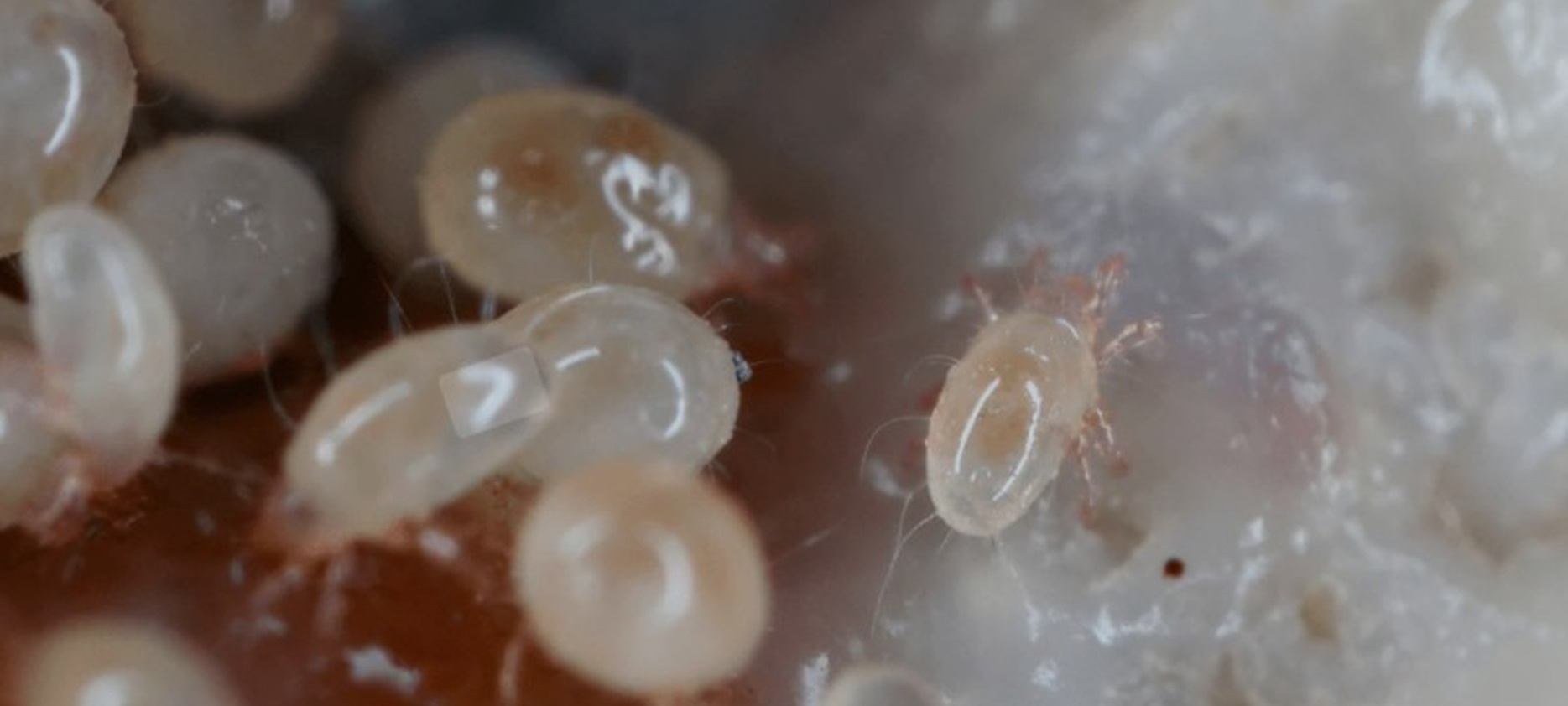
Microscopic Dust Mites
Dust Mites:
Microscopic arachnids that thrive in warm, humid environments, commonly found in bedding and upholstered furniture. Their waste products and dead bodies are major contributors to indoor allergies.
Dust Particles:
A general term for tiny particles of various origins, including skin, soil, plant material, and pollutants. Dust particles are a common component of household air and can carry allergens or irritants.
Feather Barbules:
Tiny, hair-like structures on feathers that help in keeping the feathers smooth and aligned. Feather barbules can be shed by birds and contribute to dust and potential allergens.
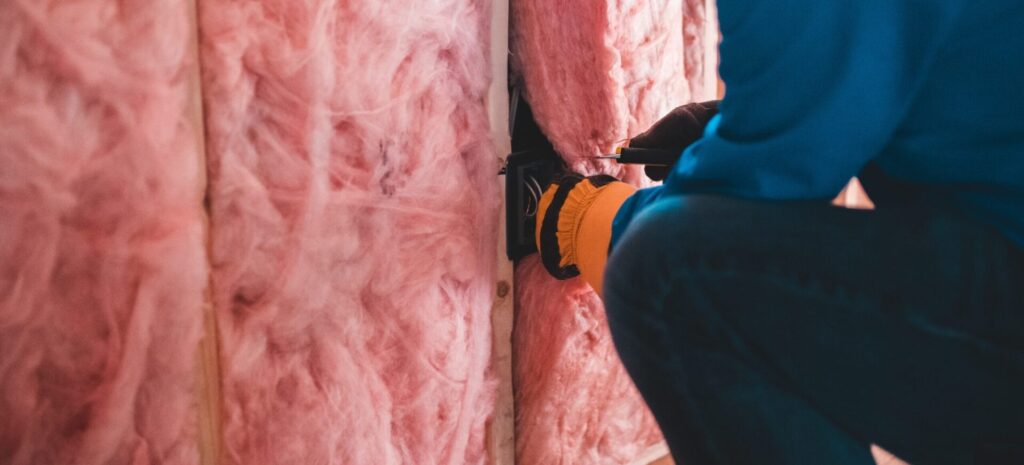
Fiberglass Insulation
Fiberglass:
Thin strands of glass woven together, primarily used for insulation in buildings and various industrial applications. Fiberglass particles can be airborne irritants, posing risks to the respiratory system when inhaled.
Fibers-Cotton:
Natural fibers harvested from the cotton plant, commonly found in textiles and clothing. Cotton fibers can become airborne, contributing to dust and lint in indoor environments.
Fibers-Synthetic:
Man-made fibers such as nylon, polyester, or acrylic, commonly used in textiles and industrial applications. These fibers can break down into small particles, contributing to indoor dust and air pollutants.
Gypsum Board Debris:
Small particles from gypsum-based drywall, often released during construction, renovation, or damage. These particles can become airborne, causing respiratory irritation if inhaled in large quantities.
Human Hair:
Strand-like keratin fibers growing from the scalp and other parts of the human body, commonly found in living spaces, salons, and textiles.
Hyphal Fragments:
Parts of fungal hyphae, which are the thread-like structures that make up the body of mold and fungi. These fragments can become airborne and cause respiratory irritation or allergic reactions.
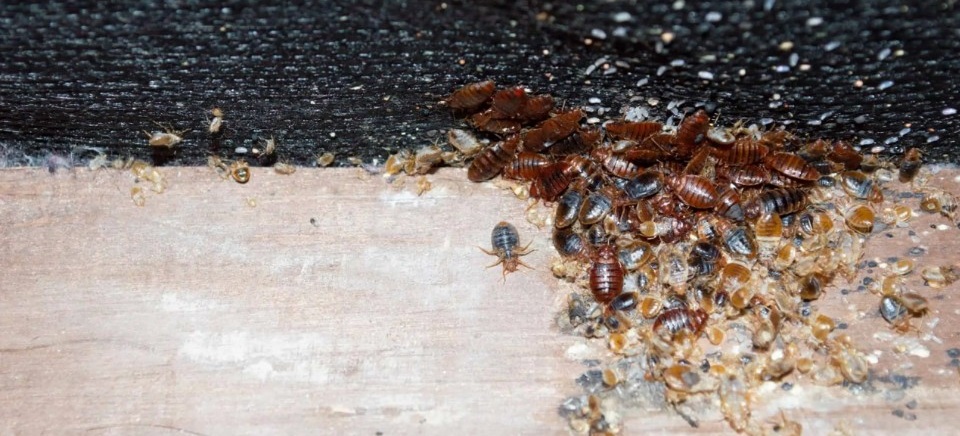
Airborne Insect Fragments
Insect Fragments:
Tiny pieces of insect exoskeletons, such as wings, legs, or antennae, often found in dust. These fragments can accumulate in homes and buildings and may contribute to indoor allergens.
Mineral Wool:
A fibrous material made from molten rock or slag, used in insulation and soundproofing. Mineral wool particles can become airborne during installation or damage, potentially irritating the respiratory system.
Paint:
Small chips or particles from painted surfaces, often found in older homes or areas undergoing renovation. Paint particles can contain chemicals or lead in older paints, posing health risks.
Pet Dander:
Tiny, even microscopic, flakes of skin shed by animals with fur or feathers. Dander can trigger allergic reactions in sensitive individuals and is often carried through the air in indoor spaces.
Plant Fragments:
Small pieces of plant material, such as leaves, stems, or seeds, that can be carried indoors. These fragments can accumulate in dust and may be a source of allergens or debris.

Pollen and Airborne Particles
Pollen:
Fine powdery grains released by plants as part of their reproductive cycle. Pollen particles are a common allergen, especially during seasonal changes, and can be carried into homes by wind or pets.
Sea Salt Aerosol:
Sea Salt Aerosol consists of microscopic salt particles, ranging from nanometers to micrometers, released into the air by ocean waves and sea spray.
Silica:
A naturally occurring mineral composed of silicon and oxygen, commonly found in sand, quartz, and various construction materials. It is often present in dust and can pose respiratory hazards when inhaled as fine particles.
Skin Fragments – Animal:
Small particles of animal skin that are shed by pets and other animals, commonly contributing to dander. These fragments are a frequent source of allergens for sensitive individuals.
Skin Fragments – Human:
Small flakes of dead human skin that are shed regularly and contribute to household dust. These particles can attract dust mites and contribute to indoor allergens.
Soil:
Small particles of dirt and organic material typically tracked indoors from outside. Soil particles contribute to household dust and can carry microorganisms, pollen, or pollutants.
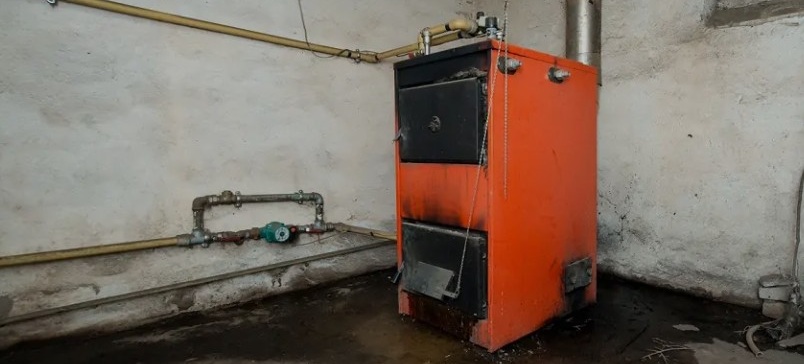
Oil Burner Soot and Puffback
Soot:
Fine black particles produced by the incomplete combustion of carbon-containing materials such as wood, coal, or oil. Soot can be harmful when inhaled, contributing to respiratory issues and poor air quality.
Starch Grains:
Microscopic granules of starch found in food and plant matter. These grains can be present in kitchen dust or food-processing areas and may contribute to indoor particulate matter.
Formaldehyde and TVOCs (Total Volatile Organic Compounds) Air Testing
This testing will be performed with highly accurate equipment separate from mold sampling.
Formaldehyde (HCHO) will be reported in both PPM (parts per million) and mg/m3 (milligrams per cubic meter).
Formaldehyde: click or tap
Formaldehyde is a common colorless, strong-smelling chemical that is a gas at room temperature. It occurs naturally in the environment, including in some foods (and even inside our bodies), but it is also a widely used chemical in some industries. Exposure to formaldehyde has been shown to cause cancer in lab animals. Exposure to relatively high amounts of formaldehyde in medical and other workplaces has been linked to some types of cancer in humans, but the effect of exposure to small amounts is less clear. 2

Risk of Formaldehyde Exposure from Particle Board and Pressed Wood Products
VOCs will NOT be reported individually, but in total (TVOC) quantity in PPM (parts per million) and mg/m3 (milligrams per cubic meter).
Total Volatile Organic Compounds (TVOCs) Click or Tap are emitted as gases from certain solids or liquids. TVOCs include a variety of chemicals, some of which may have short and long-term adverse health effects. Health effects may include eye, nose and throat irritation, headaches, loss of coordination and nausea, damage to liver, kidneys and the central nervous system. Some organics can cause cancer in animals, some are suspected or known to cause cancer in humans. 1
Potential sources for TVOCs include spray foam insulation, paints, finishes, adhesives, cigarette smoke, pesticides, personal care products, car exhaust, new furnishings, wall coverings, household cleaners, and cooking fuels.
Acetone: click or tap
Acetone is a man-made chemical that can also be found naturally in the environment. It is a colorless liquid with a distinct smell and taste. If you are exposed to acetone, it enters your blood, which carries it to all organs in the body. When there is only a small amount, your liver breaks it down into harmless chemicals. Breathing or swallowing high amounts of acetone over a short period of time can cause headaches, confusion, nausea, racing pulse, changes in the size and amount of blood cells, unconsciousness (passing out), or coma. 3
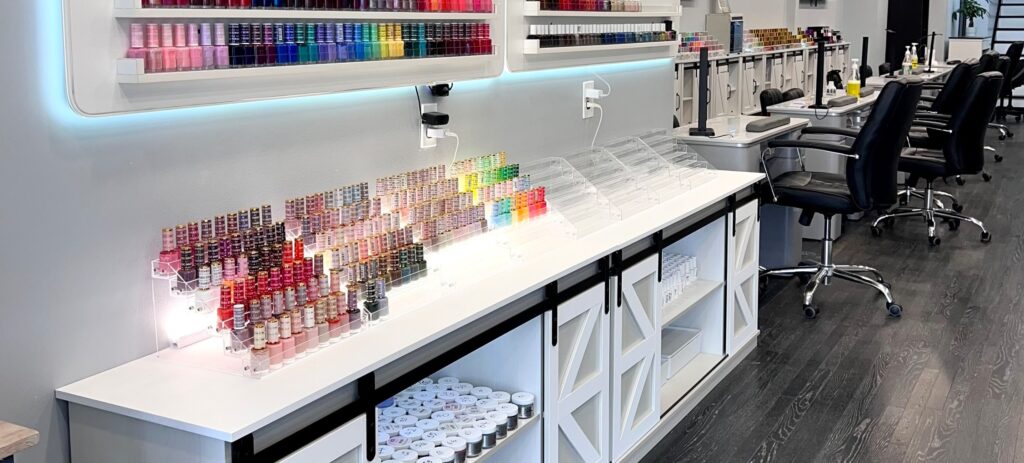
Risk of VOC Exposure from Nail Products
Ethylene Glycol: click or tap
Ethylene glycol has many uses, including as antifreeze in cooling and heating systems, in hydraulic brake fluids, and as a solvent. Acute (short-term) exposure of humans to ethylene glycol by ingesting large quantities causes three stages of health effects: central nervous system (CNS) depression, followed by cardiopulmonary effects, and later renal damage. 4
Xylene: click or tap
Xylene occurs naturally in petroleum and coal tar. Chemical industries produce xylene from petroleum. High levels of exposure for short or long periods can cause headaches, lack of muscle coordination, dizziness, confusion, and changes in one’s sense of balance. It can cause unconsciousness and even death at very high levels. 5
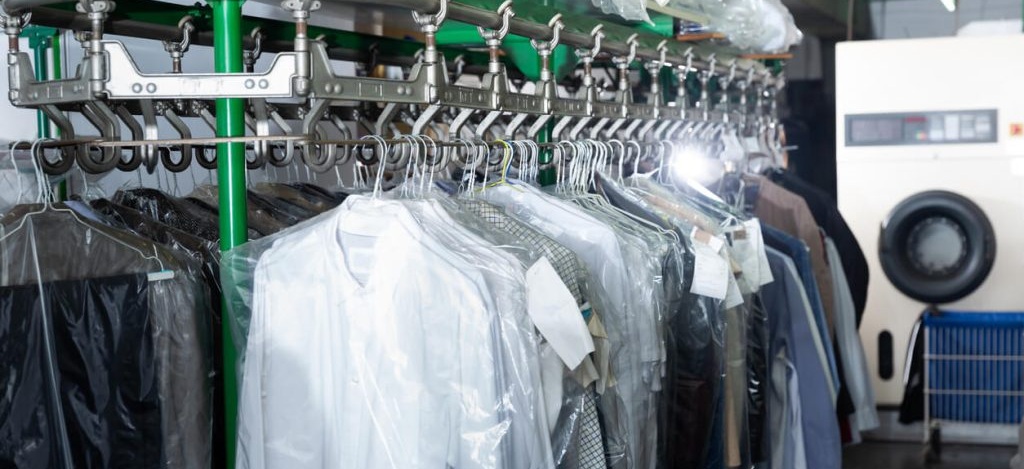
Risk of VOC Exposure from Dry Cleaning Chemicals
1,3-Butadiene: click or tap
1,3-Butadiene is a colorless gas at room temperature with a gasoline-like odor. It is used to produce synthetic rubber products, such as tires, resins, plastics, and other chemicals. Studies have consistently shown an association between occupational exposure to 1,3-butadiene and an increased incidence of leukemia. 6
Tetrachloroethene (PERC): click or tap
Tetrachloroethene is a manufactured chemical that is widely used in the dry-cleaning of fabrics, including clothes. It is also used for degreasing metal parts and in manufacturing other chemicals. Tetrachloroethene is found in consumer products, including some paint and spot removers, water repellents, brake and wood cleaners, glues, and suede protectors. In humans, PERC may affect the central nervous system, the liver, kidneys, blood, immune system, and perhaps the reproductive system. 7
Hydrogen Sulfide: click or tap
Hydrogen sulfide (also known as H2S, sewer gas, swamp gas, stink damp, and sour damp) is a colorless gas known for its pungent “rotten egg” odor at low concentrations. It is extremely flammable and highly toxic. Effects range from mild, headaches or eye irritation, to very serious, unconsciousness and death. 8
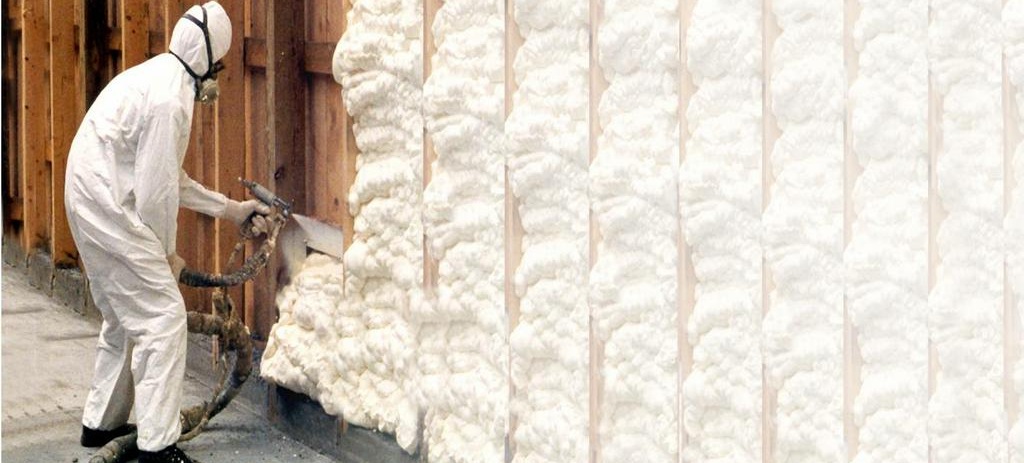
Risk of VOC Exposure from Spray Foam Insulation
Ammonia: click or tap
Ammonia can be recognized by its strong smell, which is like the smell of rotting fish. Ammonia is also commonly used in a liquid form mixed with water, such as household ammonia. Normal amounts of ammonia in the environment do not cause health effects in humans. Exposure to high levels of ammonia may hurt your skin, eyes, throat, and lungs and cause coughing and burns. Lung damage and death may occur after exposure to very high levels of ammonia. 9
Toluene: click or tap
Toluene is a clear, colorless liquid which becomes a vapor when exposed to air at room temperature. Toluene vapor has a sharp or sweet odor, which is a sign of exposure. Without proper ventilation and safety precautions, toluene can cause irritated eyes, nose, and throat; dry or cracked skin; headache, dizziness, feeling of being drunk, confusion and anxiety. 10
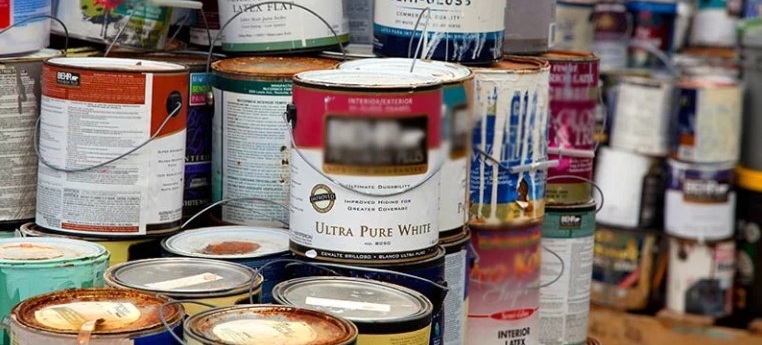
Risk of VOC Exposure from Stored Paint and Aerosol Containers
Benzene: click or tap
Benzene is a colorless, flammable liquid with a sweet odor. It evaporates quickly when exposed to air. Benzene is formed from natural processes, such as volcanoes and forest fires, but most people are exposed to benzene through human activities. People can be exposed to benzene from gasoline fumes, automobile exhaust, emissions from some factories, and wastewater from certain industries. Exposure to benzene has been linked with a higher risk of cancer, particularly leukemia and other cancers of blood cells. 11
Methylene Chloride: click or tap
Methylene chloride is a solvent used in a variety of industries and applications, such as adhesives, paint and coating products, pharmaceuticals, metal cleaning, chemical processing, and aerosols. Effects of short-term (acute) exposures can result in harm to the central nervous system, or neurotoxicity. Effects of longer periods of exposure (chronic) includes liver toxicity, liver cancer, and lung cancer. 12
MTBE: click or tap
(Methyl tert-butyl ether) – MTBE was used as a gasoline additive to reduce engine knocks. MTBE is still being evaluated by the EPA to determine if it causes cancer or other health problems. 13
Air Testing with a 6 Channel Particle Counter
This testing will be performed with highly accurate equipment separate from mold sampling.
The data provided by this type of testing can provide a clearer understanding of the overall air quality by reporting a broad range of airborne particles.
Air contains particulate matter including microscopic solids or liquid droplets that are so small that they can be inhaled and cause serious health problems. 14
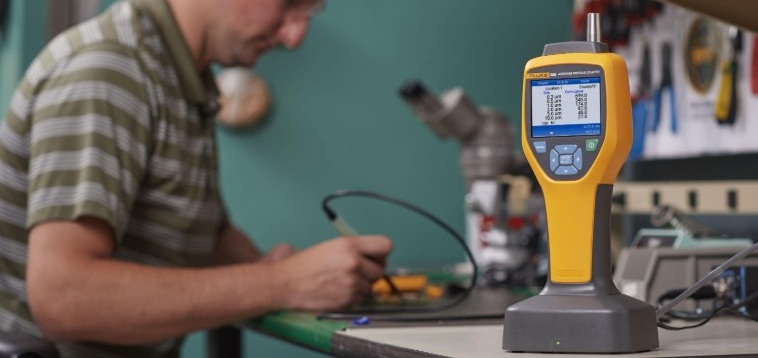
Six Channel Particle Counter
A six-channel particle counter works by drawing a sample of air through a sensor where a laser beam is passed through the sample. The laser beam hits airborne particles causing them to scatter light.
A photodetector then converts this scattered light into electrical pulses, with the magnitude of each pulse corresponding to the size of the particle.
The device can simultaneously count and categorize particles into six different size ranges.
A color-coded bar graph with counts that are separated into each of the six size ranges will be provided. Green shows a low particle count, yellow shows a moderate count, and red shows a high count.
The device’s display showing particle counts and the color-coded bar graph will look similar to this:
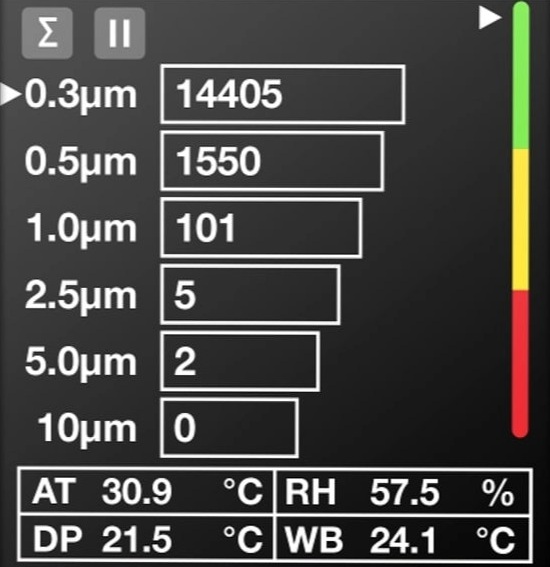
The six different particle size ranges can also help with estimating what the airborne particles actually are, rather than simply providing a total count of all sizes.
Important Information:
The data provided from Mold Plus Analysis and Testing is for informational purposes only. We are not health care professionals. We never attempt to diagnose health issues or make health-related recommendations to anybody. We simply provide the data to our customers for their own use. For health-related concerns and recommendations, we strongly recommend consulting with your doctors, other healthcare professionals, and the appropriate government agencies for guidance.
Health care professionals usually find this information valuable.
If you would like to add Mold Plus Analysis and Testing, please discuss this option with your inspector or feel free to give us a call. Our friendly customer service representatives are standing by.
781-664-9511
We are looking forward to serving you!
Sources:
1 EPA.gov – Total Volatile Organic Compounds (TVOCs)
https://www.epa.gov/indoor-air-quality-iaq/volatile-organic-compounds-impact-indoor-air-quality
2 Cancer.org – Formaldehyde
https://www.cancer.org/cancer/risk-prevention/chemicals/formaldehyde.html
3 CDC.gov – Acetone
https://www.atsdr.cdc.gov/toxfaqs/tfacts21.pdf
4 EPA.gov – Ethylene Glycol
https://19january2017snapshot.epa.gov/sites/production/files/2016-09/documents/ethylene-glycol.pdf
5 CDC.gov – Xylene
https://www.atsdr.cdc.gov/toxfaqs/tfacts71.pdf
6 Cancer.gov – 1,3-Butadiene
https://www.cancer.gov/about-cancer/causes-prevention/risk/substances/butadiene
7 Health.NY.gov – Tetrachloroethene (PERC)
https://www.health.ny.gov/environmental/chemicals/tetrachloroethene/
8 OSHA.gov – Hydrogen Sulfide
https://www.osha.gov/hydrogen-sulfide
9 CDC.gov – Ammonia
https://www.cdc.gov/chemical-emergencies/chemical-fact-sheets/ammonia.html
10 OSHA.gov – Toluene
https://www.osha.gov/toluene
11 Cancer.org – Benzene
https://www.cancer.org/cancer/risk-prevention/chemicals/benzene.html
12 EPA.gov – Methylene Chloride
https://www.epa.gov/assessing-and-managing-chemicals-under-tsca/fact-sheet-methylene-chloride-or-dichloromethane-dcm-0
13 DNR.MO.gov – MTBE
https://dnr.mo.gov/document-search/methyl-tertiary-butyl-ether-mtbe-summary-facts-pub2080/pub2080#
14 EPA.gov – Particulate Matter
https://www.epa.gov/pm-pollution/particulate-matter-pm-basics